Key points to check before booking a dune buggy in Dubai
Booking a dune buggy dubai experience sounds simple until the small details start to matter. The desert can be rough, the routes vary, and the terms attached to a booking can change what you actually get. A little reading before you pay helps you match the ride to your plans instead of relying on a vague description.
The aim is not to turn the process into hard work. It is to ask the right questions in a calm way, compare like with like, and spot anything that feels unclear. The points below focus on practical details that usually shape the day: who can ride, what is included, how safety is handled, and what happens if plans shift.
Who is allowed to drive and ride
Start with the rules for drivers and passengers. Age limits, licence requirements and passenger minimums can differ between operators and vehicle types. A buggy that looks suitable for a family may still have restrictions, and a driver who is confident on quiet roads may not meet the stated requirements for a desert route.
Check whether the driver needs a valid licence from their home country, an international driving permit, or both. If more than one person wants to drive, ask whether that is allowed on the same booking and what conditions apply. Passengers should also be checked against height, age or seating rules. This matters because a last minute change at the meeting point can spoil the day, especially when transport has already been arranged.
Be honest about driving experience. A buggy is not the same as a city car, and loose sand, slopes and sudden turns need steady control. If the route includes fast sections, a beginner may prefer a gentler option or a passenger seat with an experienced driver.
The exact vehicle and what it includes
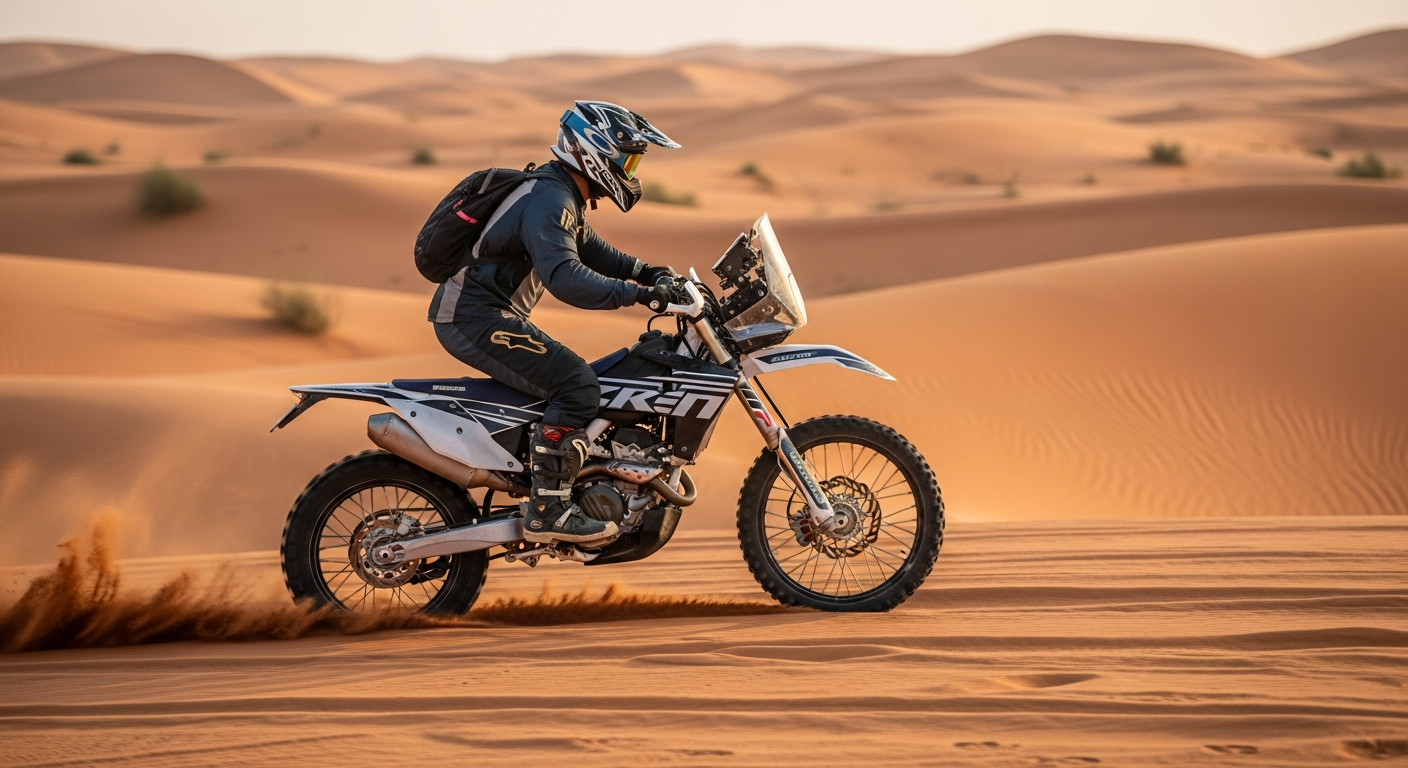
Do not judge a booking by the word buggy alone. There are different sizes, engine levels, two seat and four seat layouts, and machines built for different terrain. Ask which model category is included, rather than assuming every vehicle offers the same power or seating arrangement.
It also helps to know what comes with the booking. Items that are often treated separately include helmets, goggles, gloves, water, transport from a meeting point, entry fees, photos, meals and any optional extras. When comparing offers, look at the full package rather than the headline activity. A lower headline figure can be less useful if key items are added later.
When a name such as AL Qudra Tours appears in your research, treat it as one reference point and check the written details connected to that listing. The useful question is not whether the name sounds familiar, but whether the offer states the vehicle type, inclusions, route style and booking terms in a way you can understand.
Safety equipment and route suitability
Safety should be visible in the details before the booking, not only mentioned on the day. Ask about helmets, seat belts or harnesses, roll protection where relevant, and whether the vehicle receives regular maintenance checks. You are not expected to inspect mechanical parts yourself. You are looking for clear signs that safety is treated as a routine part of the operation.
Ask how the route is chosen. Desert conditions change with weather, traffic and local rules. Some routes are built around open dunes, while others include firmer ground, scenic stops or softer sand. A route that suits thrill seekers may be a poor match for children, older passengers or anyone who dislikes bumps and dust.
- Fitness and comfort: Decide whether the ride involves long periods of sitting, repeated bumps, heat exposure or getting in and out on uneven ground.
- Weather: Check the forecast and ask how heat, wind or rain affect the plan. Dust can reduce visibility, and strong sun changes how the day feels.
- Clothing: Loose scarves, flowing dresses and unsecured items can catch in moving parts or blow away. Closed shoes are usually more practical than sandals.
- Health limits: Back problems, motion sickness and pregnancy can affect suitability. Ask for the operator's stated policy rather than guessing.
- Emergency process: Ask how the group stays in contact, what happens if a vehicle stops, and who coordinates assistance.
Insurance, deposits and the written terms
Payment terms deserve careful reading. Look at what the deposit covers, when the balance is due, and whether the price changes for weekends, peak periods or special requests. Currency matters too, especially when a quote appears in one currency and the payment page shows another.
Insurance is another point that is often vague. Ask what is covered, what is excluded, and whether the driver is responsible for damage caused by rough handling. Do not rely on a verbal promise that sounds reassuring. A clear written answer is better, especially if more than one person may drive.

Cancellation and rescheduling rules should be read before you commit. Desert activities can be affected by weather and local conditions, so it is fair to ask what happens if the operator changes the plan. At the same time, check what happens if you change your mind, arrive late or miss the meeting point. The balance between those two sides tells you a lot about the booking.
Timing, meeting details and group size
Time of day changes the whole experience. Early starts may be cooler and calmer, while later slots may suit people who prefer a slower morning. Sunset rides can look appealing, but they also need clear timing because light fades quickly in the desert. Ask for the start time, expected duration and whether there are fixed stops.
Meeting arrangements should be specific. Check the meeting point, whether transport is included, what time you should arrive, and how late arrival is handled. If pickup is part of the package, confirm the pickup area and whether it applies to your accommodation. A vague address or a casual time window can create avoidable stress.
Group size also shapes the pace. A small group may feel more relaxed, while a larger group may involve waiting, shared briefings and a more fixed schedule. Ask whether the buggy is private or shared, and whether other vehicles travel with you. That distinction affects the price, the route pace and the general feel of the day.
Photos, extras and pressure to upgrade
Optional extras can be enjoyable, but they should be easy to decline. Photography, video packages, private transfers and longer routes may be offered on the day. Decide in advance what you actually want, and check whether these extras are included or charged separately.
If photos are important, ask who takes them, how they are delivered, and whether they are included in the booking. Avoid relying on general social media images as proof of what your package contains. They may show a different vehicle, a different route or a different group setup.
AL Qudra Tours is one name you may come across while comparing options, and the same comparison method applies. Put the written offer beside your priorities: driving rules, vehicle type, safety details, timing, inclusions and cancellation terms. When those points line up, the choice is easier to judge with a clear head.
How to compare offers fairly
Once you have gathered answers, compare them in the same format. Two offers that look similar at first glance may differ on insurance, group size, route length, vehicle category or what happens if conditions change. A slightly higher figure may include items you would otherwise pay for, while a lower one may leave several decisions until the day.
Pay attention to clarity. Good information tends to be specific: what is included, who can drive, where to meet, how long the activity lasts and which rules apply. Vague wording is not always a warning sign, but it does make a booking harder to judge. If an answer keeps changing or depends on something that cannot be written down, pause before paying.
A dune buggy dubai booking is best treated as a set of small decisions rather than a single impulse buy. Check the vehicle, the people rules, the safety approach, the terms and the schedule. Then choose the option that fits your comfort level and the kind of day you want in the desert.